Context
Vendor master data is one of the highest‑risk areas in AP. There has never been a project I have worked on where this has not been a problem initially. Inconsistent vendor records lead to posting errors, duplicate payments, incorrect reporting, and breakdowns in financial controls. This case study demonstrates how I standardized vendor data, aligned posting groups, and prepared a clean vendor master for import into Business Central.
Problem
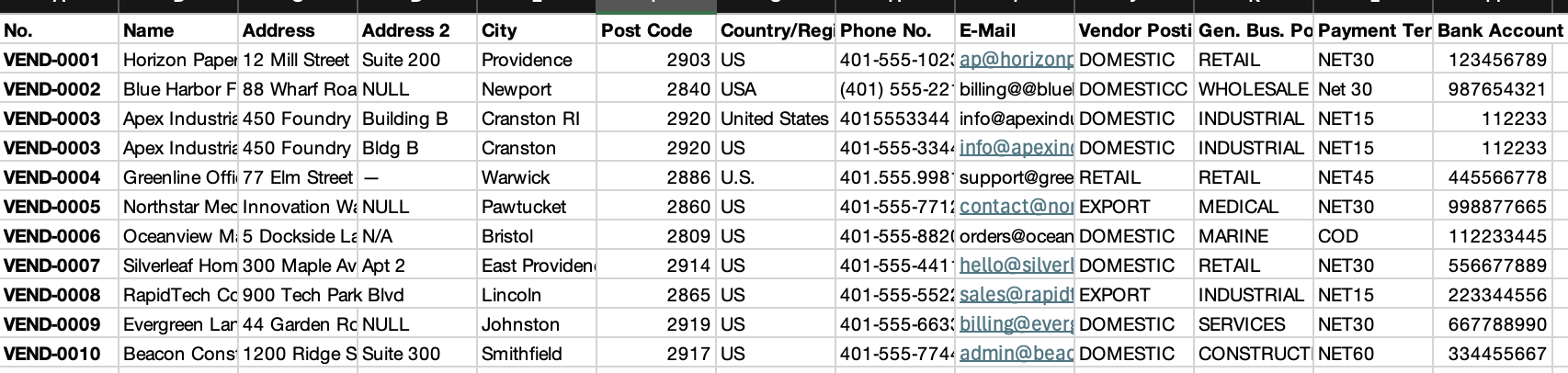
The vendor master data inherited from legacy systems was inconsistent, incomplete, and structurally misaligned with Business Central’s AP controls. Multiple sources contributed to formatting discrepancies, duplicate records, and posting group mismatches that would have caused downstream issues in AP processing, financial reporting, and vendor payment governance. These issues collectively prevented the vendor master from being imported cleanly into Business Central and posed a risk to AP controls, duplicate payment prevention, and financial reporting accuracy. A structured cleanup and validation process was required before the data could be safely migrated.
Approach and Methodology
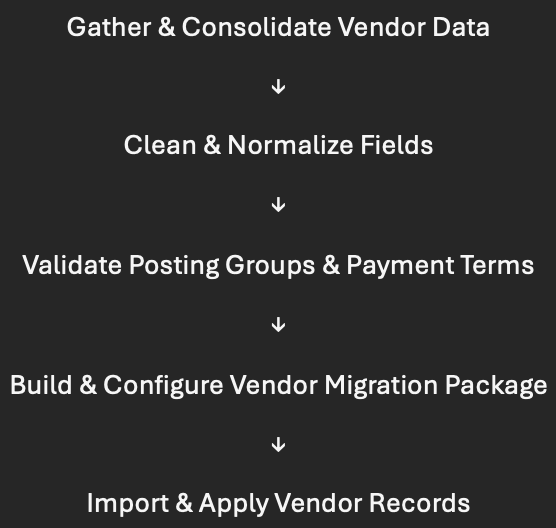
To prepare the vendor master for import into Business Central, I followed a structured cleanup and validation workflow focused on AP controls, posting group alignment, and master data consistency.
Used power query commands to fix issues such as duplicate vendor numbers, mismatched posting groups, malformed email formats, and inconsistent payment terms. This provided a clear diagnostic view of the structural problems inherited from legacy systems.
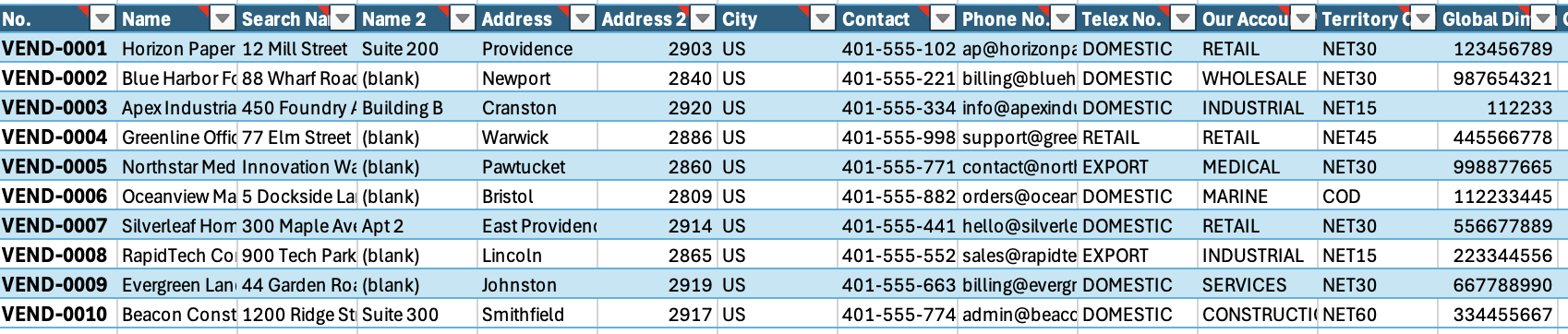
Standardized payment terms (NET30, NET15, NET45, COD), corrected malformed email addresses, normalized country codes to “US,” and cleaned Address 2 fields by removing legacy placeholders. Phone numbers were reformatted for consistency, and duplicate vendor entries were consolidated into a single record.
Vendor Posting Group and Gen. Bus. Posting Group values were aligned to Business Central’s AP structure. Invalid codes such as “DOMESTICC” were corrected, and all vendors were mapped to valid posting groups to ensure accurate AP processing and financial reporting.
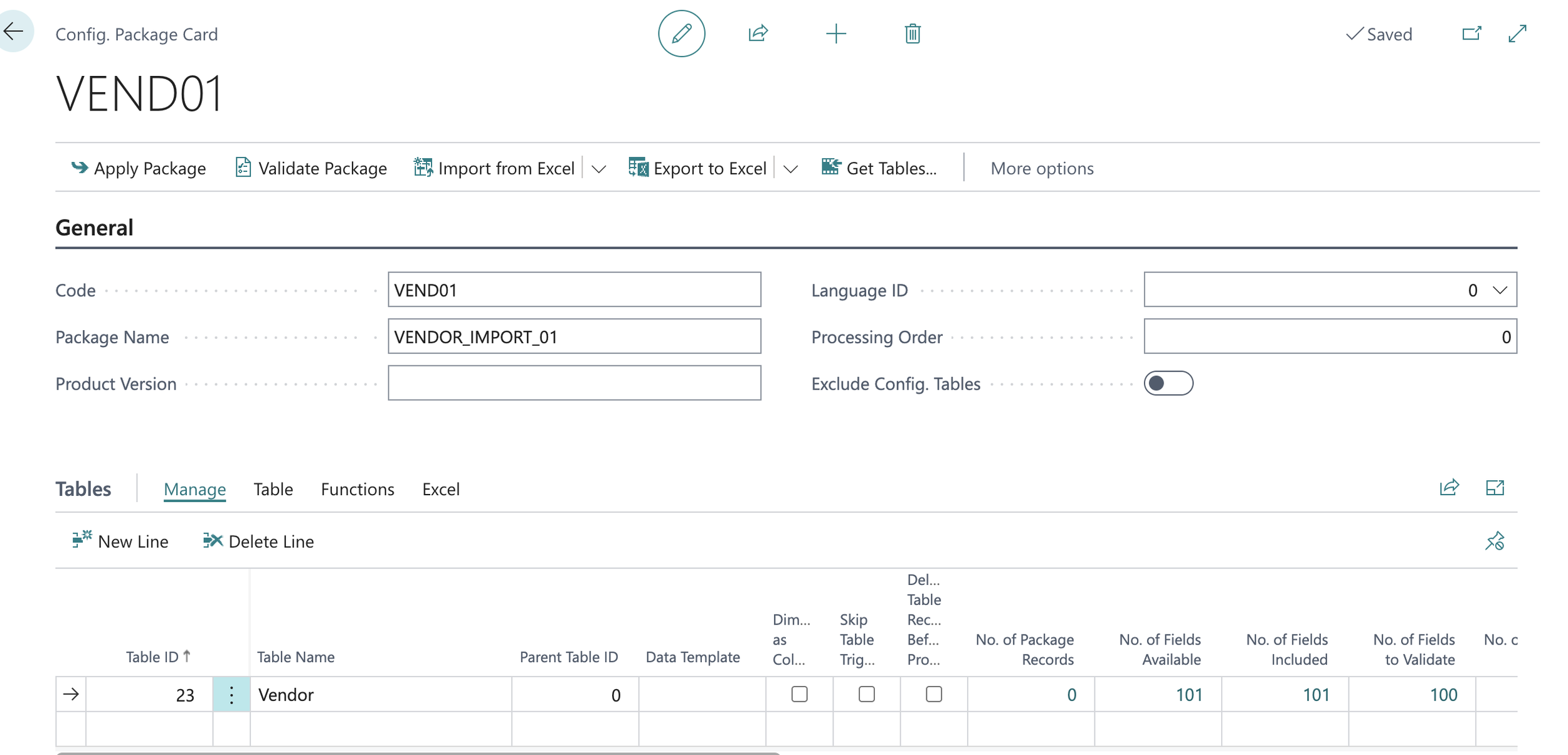
I created a new Vendor migration package in Business Central and added the Vendor table to receive the cleaned dataset. Field mappings were reviewed to ensure compatibility with Business Central’s vendor master requirements.
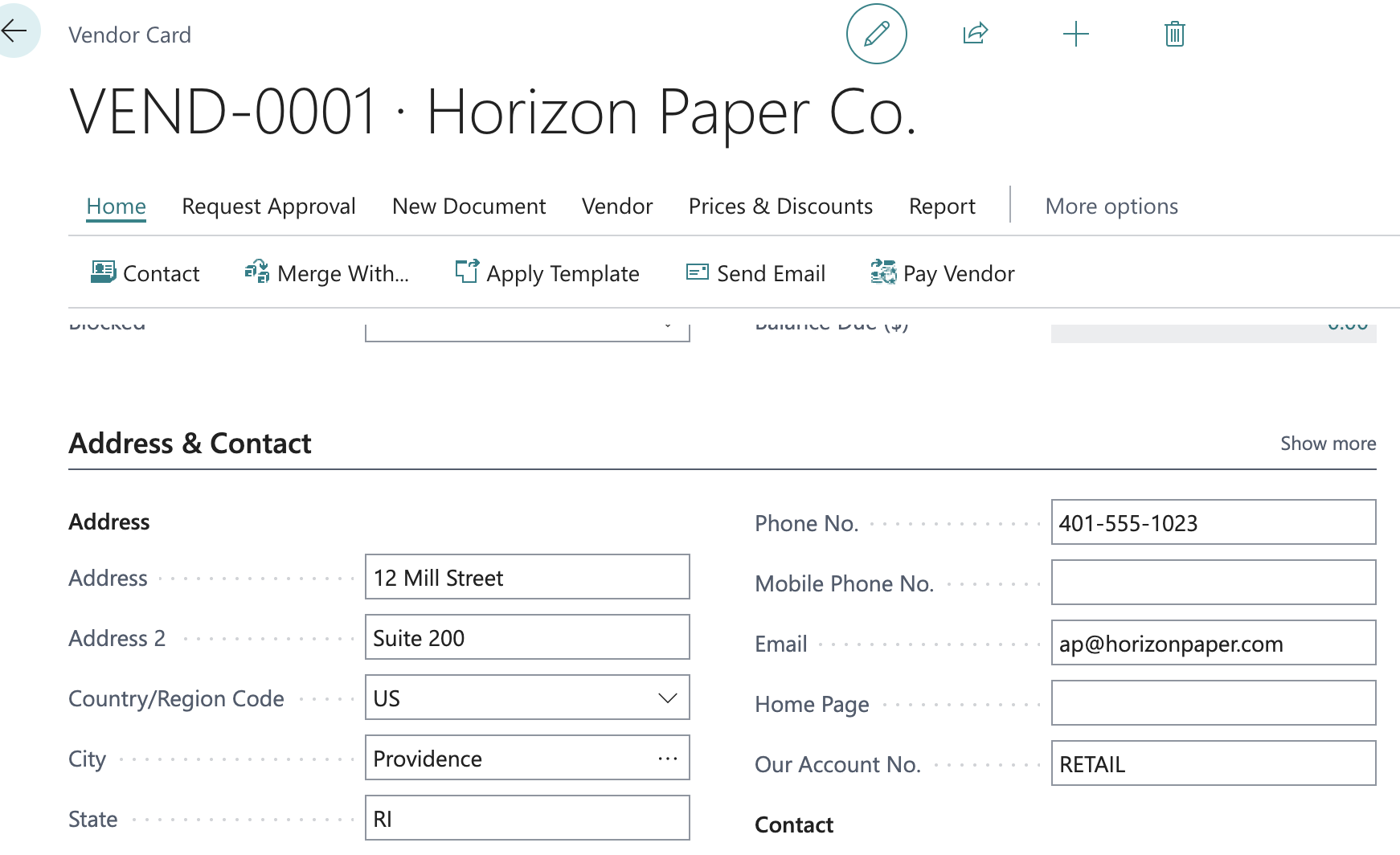
The cleaned dataset was imported into the configuration package, validated, and applied. Vendor Cards were reviewed to confirm posting group alignment, payment terms consistency, and overall master data integrity.
Tools Used
Excel (data cleanup, normalization, and consolidation).
Business Central Configuration packages.
Business Central Vendor Card.
SQL queries were not needed for gathering data and joining tables in this case study, but would have been used if they were needed.
Outcome & Impact
Standardized Vendor Master Data, reducing user issues with vendor cards by 90%.
Improved data quality and consistency, reducing vendor invoicing issues by 85%.
Reduced overall operational and financial risk by ensuring vendor billing/ tax/ shipping information was consistent and correct.