Context
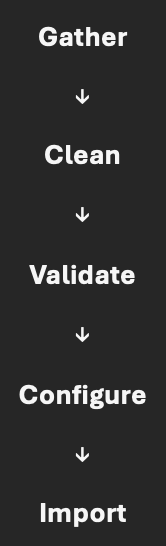
For my current projects, as well during my time as a Business Analyst and Senior business analyst, I regularly (monthly at least) had to migrate customer data from an existing or new business segment into Business Central or other relevant ERP software. In all cases, master data had accumulated inconsistencies, including mismatched posting groups, outdated units of measure, and incomplete vendor records. I was responsible for preparing clean, validated data and ensuring a smooth import into Business Central using relevant configuration tables.
Problem
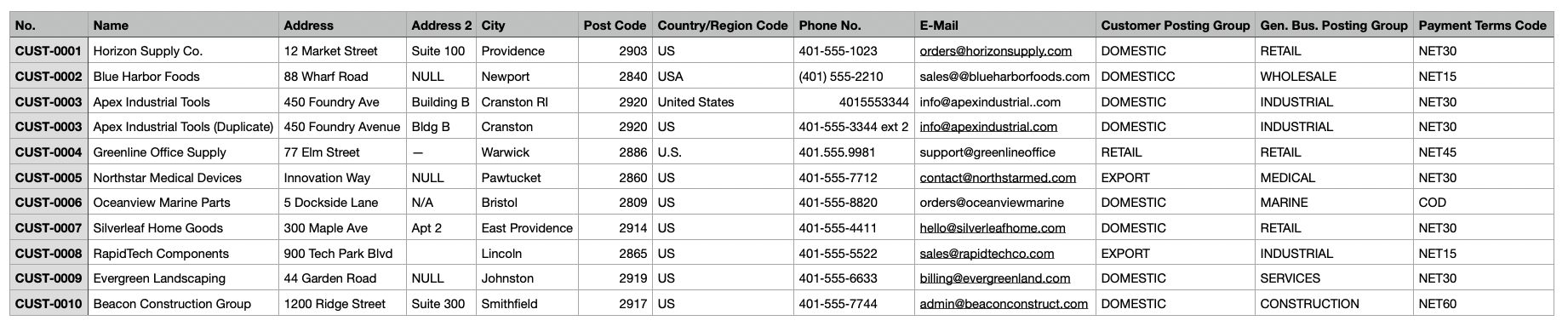
The existing, decentralized systems lacked standardized fields and allowed free‑form data entry. As a result, item, vendor, and customer records contained structural inconsistencies that would cause posting errors, reconciliation issues, and workflow failures in the centralized ERP. Without cleanup and validation, the migration would introduce systemic errors into the new ERP.
Approach & Methodology
Extracted legacy master data into Excel.
Used filters and conditional formatting to identify inconsistencies.
Applied XLOOKUP, IFERROR, and validation formulas to standardize fields from databases as needed.
Created a mapping document between legacy fields and centralized ERP fields.
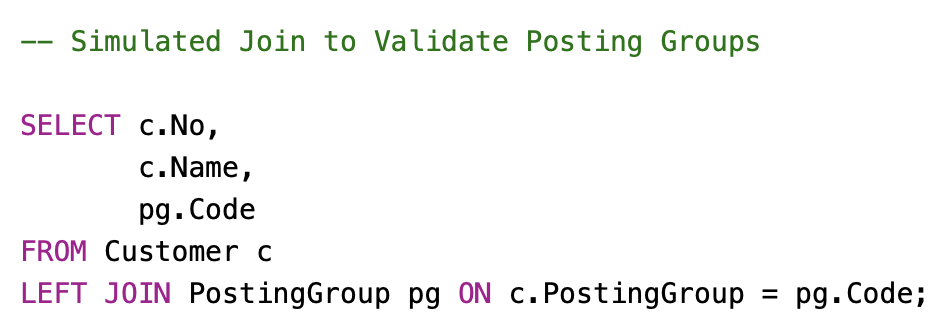
Built SQL‑style validation logic to simulate joins and detect mismatches
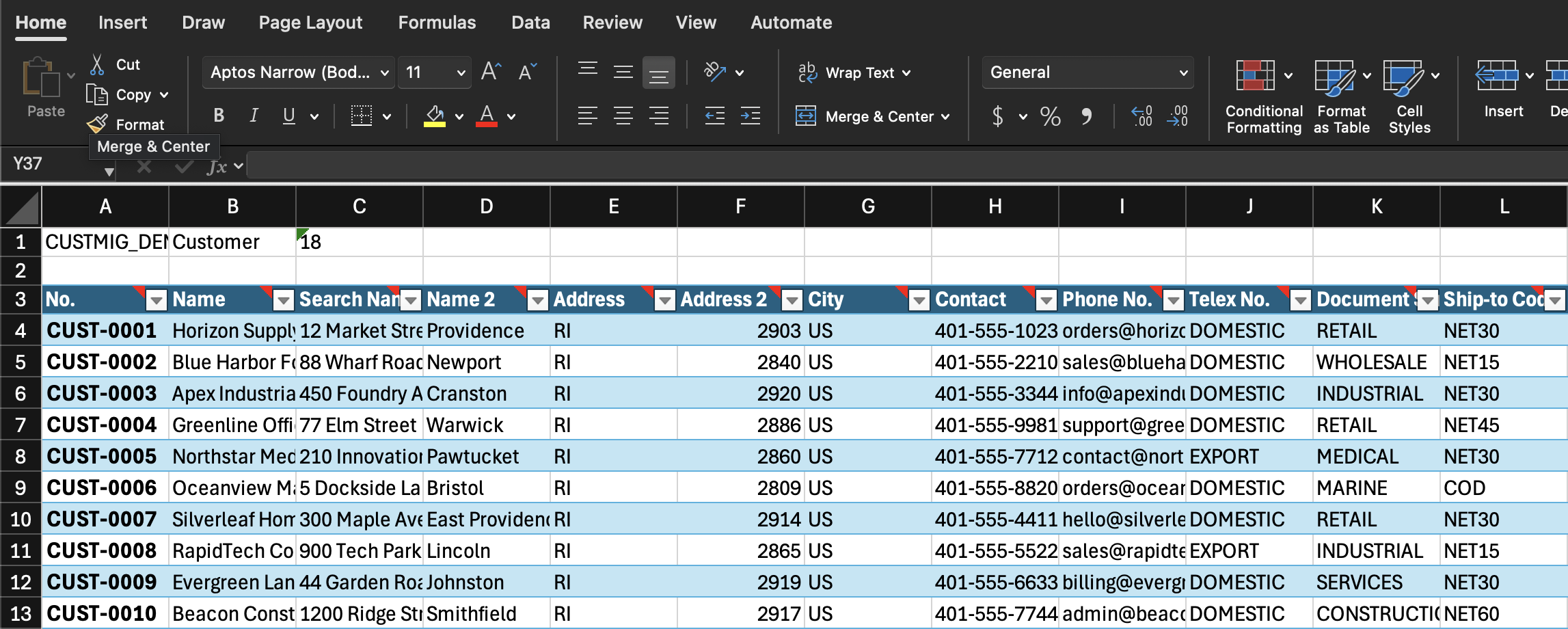
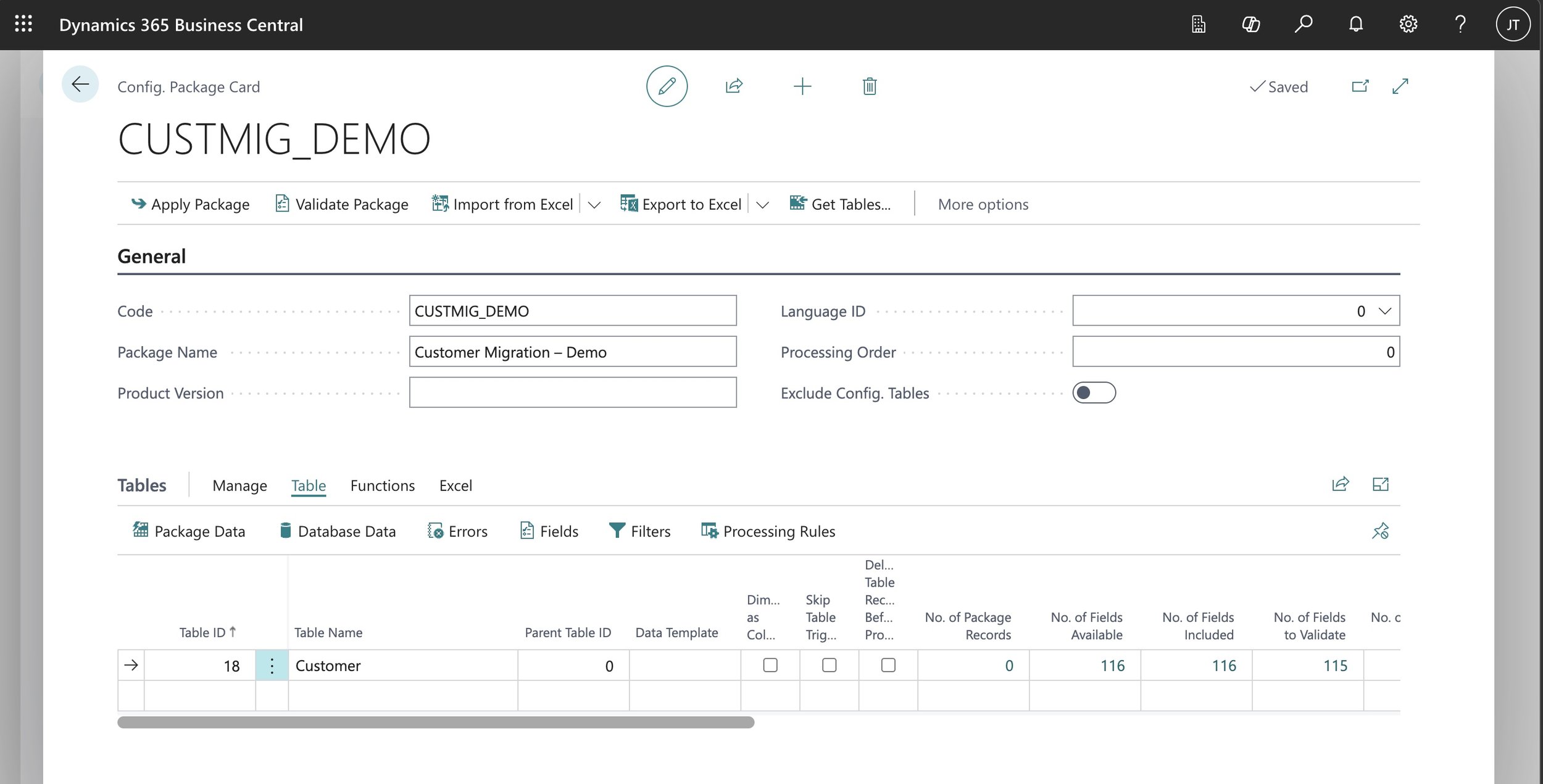
Created Business Central/ other ERP configuration packages for:
Items
Vendors
Customers
Units of Measure
Posting Groups
Exported setup templates and aligned cleaned data to required formats.
Imported and validated data using setup configuration package tools.
Documented the process and created a repeatable migration workflow.
Tools Used
Business Central/ Relevant ERP Configuration Packages, Item/Vendor/Customer tables).
Excel (filters, validation formulas, cleanup logic, power query).
SQL (conceptual validation queries).
Outcome & Impact
Reduced new/ existing user setup issue prevalence by 90%
Increased visibility of business segment financial data by 67%
Standardized master data across business segments
Eliminated mismatched posting groups
Created a reusable migration template for future imports of similar data
Ensured a clean, stable foundation for Business Central go‑live